| Praesidium Archive | Favorite Websites | Favorite Books | Favorite Music and Films | |
| The Blog of Virtues | Make a Contribution | Search This Site | Contact Us |
Recommended Classical Music on CD


Below are a few of our recommendations in the classical vein of music. We are aware that many bright people don't care to sit through an hour's worth of Mozart concertos or Schumann piano sonatas. Such tastes are cultivated. Some kinds of classical music are more accessible than others. We have therefore sought to create, not a glossary of great composers, but a very tentative and incomplete list of fine CDs which engage the listener. Some titles have indeed been chosen more because of the performing artist than the composer. Our "target audience" (or supposed reader) is a person who wants to know more about classical music but hasn't the resources of money and time needed to buy an armload of CDs and wade through them in search of treasure. Our thumbnail descriptions after each item are intended to make the search still easier.
All links are to Amazon.com.
MEDIEVAL NINETEENTH CENTURY: ROMANTICISM
SIXTEENTH CENTURY NINETEENTH CENTURY: IMPRESSIONISM
SEVENTEENTH CENTURY TWENTIETH CENTURY
Fine Music may well be our lifeline back to Great Letters
"There is no effortless way to learn reading and writing, no effortless way to acquire a literate taste absorbed from hundreds of books. (Books on cassette are no shortcut—not if you understand that pauses for reflection are an integral part of thoughtful reading.) By comparison, exposure to music and to painting is far more likely to make inroads in our sluggardly tribe. One may indeed simply sit and listen, or simply stand and look, without a great summoning of intellectual and spiritual energy. That the session will produce salutary results is by no means certain, of course, for listening to Handel or studying Manet does demand a faint complication of brain-wave activity if it is to produce pleasure. We have all known upright subjects in shoes who seem entirely capable of 'just saying no' to this invasion of their private space. Nevertheless, it is a relatively painless invasion, compared to the literary one. To expect a fertile engagement of the intruder does not require the optimism of the literature teacher hoping to inspire his students by reading 'The Lotos-Eaters'." ~John Harris, from Praesidium 4.3
Giovanni Pierluigi da Palestrina: Missa Papae Marcelli, Missa Aeterna (Jeremy Summerly and The Oxford Camerata)
Allegri: Miserere (The Tallis Scholars)
Missa Hodie Christus natus est; Stabat Mater; Lasus: Missa Bell' Amfitrit' altera (Jeremy Summerly)
Palestrina's music is said to reflect the growing influence of the cathedral in composition. Many of his pieces are still quite familiar today to Christians of all denominations.
Perotin: Perotin: The Hilliard Ensemble (12th Century)
The French monk Perotin, called Perotinus the Great, composed these lilting, polyphonous devotionals in a fashion which will evoke the Gregorian chant in today's layman--but Perotin's music is mystically airy and creative by comparison.
SIXTEENTH CENTURY
Michael Praetorius: Schütz: Weihnachtshistorie (Heinrich Schütz directing choral compositions of Michael Praetorius)
Though these choral works are dedicated to the Christmas season (and sung in German), they are neither the anodine clichés of our culture nor the jolly wassailing which grandsired some of our best carols. They are formal religious works--but performed with stirring energy as well as dignity.
Two Renaissance Dance Bands; Monteverdi's Contemporaries (arranged and conducted by David Munrow)
With David Munro's special genius as their guide, these pieces are necessarily rendered with all of their original verve.
English & Italian Madrigals (Capitol label)
Our recommendation of this rather obscure CD is based on its being performed by the King Singers (whose series on madrigals aired on PBS several years ago) and on its inclusion of the more resourceful Italian with the relatively somber English madrigal. This is surely a recipe for success, despite the absence of reviews on Amazon.
SEVENTEENTH CENTURY
The Italian Lute Song (by Claudio Monteverdi, Girolamo Frescobaldi, Cesare Negri: performed by Ronn McFarlane)
Any lute recording with Ronn McFarlane as the central performer is sure to do full justice to this forgotten but elegant and spirited instrument--qualities of which the Italians were never known to suffer a dearth.
Eliot Fisk: Bell'Italia (selections from Scarlatti, Frescobaldi, and others)
Fisk is perhaps the best known classical guitarist alive today. Any performance in which he participates is of high quality, and the guitar's many contemporary exponents could scarcely find a better entrance into the world of classical music.
EIGHTEENTH CENTURY
Johann Sebastian Bach: Brandenberg Concertos 1-6 / 4 Orchestral Suites (Koussevitsky and the Boston Symphony Orchestra)
OR Bach - The Complete Brandenburg Concertos / Pearlman, Boston Baroque
OR Bach: Brandenburg Concertos 1, 2 & 3 Bach: Brandenburg Concertos 4, 5 & 6 (Naxos label)
These sets (the first is three-disc, the second two-disc, and the Naxos pair may be bought separately) constitute the perfect introduction to Bach. Most of the pieces are quite spirited: the modern ear in constant fear of boredom will have little to dread if it is chastened by a pre-modern taste for fine harmonies.
Bach, Handel, et al.: James Galway ~ Meditations (RCA label)
Galway's selections in fact cover the full gamut of classical music, including Massenet and Debussy as well as Bach.
Georg Friederich Handel: Handel--Water Music · The Music for the Royal Fireworks · The Alchymist / AAM, Hogwood (Christopher Hogwood, conductor)
This two-disc set from Decca is perhaps a little more exposure than the novice would want right off the bat; but Handel's music, vigorous, stately, and "pompous" in a festive sense, offers a very a low risk of terminal boredom.
Franz Josef Haydn: The London Symphonies, Vol. 1 and Vol. 2 (Sir Colin Davis, conductor)
OR London Symphonies (Box Set: Collector's Edition)
The Davis recordings, of course, may be purchased independently; the collector's edition is a set of five which is rather more expensive, but it has received strong reviews for its revival of Eugen Jochum's renditions of Haydn from thirty years ago.
Wolfgang Amadeus Mozart: Mozart: Horn Concertos (Neville Marriner, conductor, and Peter Damm, horn)
In our frenetic times, Mozart may seem too simple--or too purposeful in his complexity--to be real. (This writer, at least, must struggle to appreciate him.) There is a robust clarity to the seventeenth-century horn, however, which renders these pieces pleasantly different to contemporary listeners and well suits the rigors of Mozart's compositions.
Antonio Vivaldi: Vivaldi--The Four Seasons / Standage · The English Concert · Pinnock (Trevor Pinnock and The English Concert)
The Four Seasons is surely Vivaldi's most recognized and best loved opus. No apology for changing tastes is needed to engage the contemporary listener here.
***** Music for Lute and Mandolin (Paul O'Dette [lutes] and The Parley of Instruments)
Vivaldi's sounds fill shopping malls at Christmas time (unfortunately). This recording is one big step toward redeeming him for the casual listener. The Renaissance's clever, delicate precursors to the guitar appear infinitely more festive here than that most familiar of instruments.
Vivaldi, Telemann, et al.: Wynton Marsalis: Baroque Music For Trumpets (Wynton Marsalis, trumpet, and English Chamber Orchestra)
Though Amazon's reviewers have radically differing estimates of Marsalis's judgment, the "Philistines" among us (I cheerfully include myself) always find his renditions well worth a listen.
NINETEENTH CENTURY:
ROMANTICISM
Bela Bartok: Concerto for Orchestra (Leonard Berstein conducts)
Complete Piano Music
Six String Quartets (Emerson String Quartet)
With his emphasis upon Hungarian folk music, Bartok is at once a favorite of many casual listeners who find classical music too "stuffy" and a bit of an acquired taste for those who love the classical tradition's order and subtlety.
Ludwig van Beethoven: Beethoven: 9 Symphonien (Herbert von Karajan and the Berlin Philharmonic)
This five-disc set contains all nine of Beethoven's great symphonies, performed in mildly controversial style (some consider Karajan's interpretation too "cold") but without any notable flaw. You can't please everyone, especially when rendering the Master! Individual symphonies, naturally, are available in countless recordings, such as:
Furtwangler Conducts Beethoven's Ninth
Frederick Chopin: Rubenstein Plays Chopin Mazurkas
Arthur Rubenstein, one of the twentieth century's premier pianists, performs all of Chopin's mazurkas in this two-disc set. The mazurka is a kind of waltz, with all the liveliness of an energetic dance--but also, in Chopin's hands, capable of poignant melancholy, and of every other mood between joy and brooding.
Hector Berlioz: Symphonie Fantastique (Leonard Bernstein and the New York Philharmonic)
La Damnation de Faust (Sir Colin Davis)
Complete Orchestral Works (Sir Colin Davis [conductor], Sir Thomas Allen [baritone], et al.)
The enigmatic Berlioz was both Classicist and Romantic by temperament--which did not render his career particularly smooth. His music elicits thoughtful concentration.
Antonin Dvoràk: Smetana: Moldau/From Bohemia's Meadows and Forests/Dvorák: Slavonic Dances Op.46 & Op.72 (Deutsche Grammophon, Rafael Kubelik conducting)
Dvoràk: Three Great Symphonies (The Cleveland Orchestra)
Dvoràk: Slavonic Dances (The Cleveland Orchestra)
Dvoràk: Symphony No. 9 "From the New World" (The Chicago Symphony Orchestra)
Dvoràk is among the best known of the nineteenth century's Slavic composers, and his wonderfully energetic music has lost little of its popularity over the years: his "New World" Symphony remains an all-time favorite. But you will also instantly recognize Smetana's Moldau in the first CD, one of the most beautiful pieces ever composed for strings.
Felix Mendelssohn: Mendelssohn: Symphonies 3 & 4 / Karajan, Berlin Philharmonic Orchestra (Herbert von Karajan conducts the Berlin Philharmonic)
These are the Scotch and Italian Symphonies, respectively--the former magnificently moody (everybody has heard the Fingal's Cave Overture, though few realize it), the latter joyfully spirited. Very accessible to beginning listeners.
Nokolai A. Rimsky-Korsakov: Rimsky-Korsakov: Scheherazade; Capriccio Espagnol; Russian Easter Overture (EMI label)
This is one of those works whose contents keep cropping up in collections entitled 20 Classics or Classical Favorites for People Who Hate the Stuff. Incredibly vibrant and resourceful (perhaps too much so for a true classicist), these melodies based upon traditional tunes born in remote European villages are rare jewels.
Peter Ilyich Tchaikovsky: Pytor Illych Tchaikovsky: The Nutcracker - Complete Ballet (Valery Gergiev, conductor)
This full recording of one of the world's most beloved ballets is not quite ninety minutes long. All the testimonies we have collected resound with high praise.
Richard Wagner: Wagner: Overture & Preludes (Deutsche Grammophon)
Two discs reduce the extensive operatic works from which these celebrated themes have been drawn to a listening experience requiring no special knowledge of Wagner's unusual--and highly controversial--artistic objectives.
Verdi, Rossini, et al.: Famous Overtures (Decca label)
We were searching Amazon for Brahms's Hungarian Dance, and this CD appeared. It does indeed seem to offer a great many favorites (by Wagner, Suppe, and others) which the novice has probably heard and enjoyed many times, but to which he cannot pin a name or period. A two-disc set.
NINETEENTH CENTURY:
IMPRESSIONISM
Claude Debussy: Debussy: Prelude a l'apres-midi d'un faune/Images for orchestra/Printemps (Pierre Boulez, conductor)This Deutsche Grammophon recording offers many of Debussy's earlier symphonic works. Iberia and Rondes de Printemps have such exuberance that one can only marvel that they are not better known to the general audience.
***** Jeux, La Mer, Nocturnes (Lorin Maazel and the Vienna Philharmonic)
Debussy's later orchestral works are represented here. Their interlaced melodies are not as instantly appreciable as The Afternoon of a Faun's theme, but they richly reward each new listening session with their extraordinary depth.
***** Debussy: The Complete Works For Piano (from the recordings of Walter Giesking)
There seems to be some dispute about whether a German is capable of playing France's most atmospheric composer. Nationalistic friction aside, Giesking's recordings are classics. The concentration they require (and reward) is elicited by the composer, not the pianist.
Debussy, Fauré, et al. The Magic Of The Harp (Lily Laskine, harp)
Harpist non pareil Lily Laskine is the main reason for our recommending this braod selection of short pieces, which include works by Schumann and others of earlier generations.
Debussy/Ravel: Debussy/Ravel: Streichquartette (Eugene Drucker, Lawrence Dutton, et al.)
The resemblance between Debussy and Ravel is seldom more striking than in these two little-known but very moving works for string quartet. Never a bore to listen to.
Gabriel Pierné: Cydalise et le Chèvre-Pied (David Shallon and the Luxembourg Philharmonic Orchestra)
There is nowhere in the music of any age a more delightful manifestation of joie de vivre than this highly creative Arcadian symphony. Listening to Cydalise is an excellent antidote to the lethality of daily routine.
Maurice Ravel: L'enfant et les Sortilèges (André Previn and the London Symphony Orchestra)
This is often called a children's operetta--for reasons not altogether clear, and entirely unjustified unless vibrancy and mystery are the exclusive province of pre-adults. To be sure, a child is at the story's heart... and talking trees and squirrels and insects and furniture. So be warned, sober adults!
TWENTIETH CENTURY
Geoffrey Burgon: Brideshead Revisited: The Television Scores of Geoffrey Burgon
In another era, Burgon would surely have been an acknowledged classical master--yet the popular packaging of his music in TV serials like Brideshead Revisited cannot conceal the extraordinary beauty of his compositions. The opening theme for the serialized John LeCarré novel, Tinker, Tailor, Soldier, Spy, may be one of the most exquisitely devotional pieces written since Bach.
Aaron Copland: Appalachian Spring; Rodeo; Billy the Kid (Stephen Gunzenhauser, the Slovak Radio Symphony Orchestra)
A very affordable Naxos recording, this album (like any of Copland's music) features pieces you've probably heard all your life without knowing that they were written by one of America's greatest composers to celebrate his nation's robust optimism.
Sergei Prokofiev: Sergei Prokofiev: Lieutenant Kijé/Cinderella/The Love For Three Oranges (Loris Tjeknavorian and the Armenian Symphony Orchestra)
This is the most obscure CD by far which we have located and elevated to a recommendation... but the Lieutenant Kijé Suite is lots of fun for the newcomer to classical music--is, indeed, perfect for youngsters whose attention may waver.
Ottarino Respighi: Symphonic Poems (Enrique Batiz and the Royal Philharmonic Orchestra)
Respighi (pronounced res-PEE-ghee) has been said to have written what he thought would please the audience. While this is no way to win esteem among professional musicians, the casual listener may welcome the approach. Perhaps more intricately engaging than deeply profound, Respighi's music is a good accompaniment to light chores or daydreaming.
William Grant Still: Works By William Grant Still (New World Records)
Harp, flute, violin, piano... not the instruments most Americans would associate with a composer of African descent. But Still's work proves that no essential paradox exists.
***** Still: Symphony No1; Ellington: River (Neeme Jarvi, conductor, and the Detroit Symphony Orchestra)
The so-called "Afro-American" Symphony No. 1 is Still's most famous, revealing the influence of Gershwin (but also a stunning degree of creativity). This CD also features symphonic compositions by Duke Ellington. Why do we so seldom hear that these exist?
Igor Stravinsky: Stravinsky: Firebird; The Rite of Spring (Alexander Rahbari, conductor)
Stravinsky will shock the preconceptions of young novices whose exposure to symphony and orchestra conjures up echoes of Beethoven. Modern music is as exotically different from the traditional as modern art. There is astonishing vigor and color here, however, even at the cost--sometimes--of melody.
POPULAR TRADITIONS
Anúna (performed by the Irish choral group Anúna)
Included here because the group is much the most "scholarly" and meticulously rehearsed of today's many popular Irish performing companies... the album's repertoire delves back into the Middle Ages. No stomping feet and scraping fiddles.
The Very Best of James Galway (RCA label)
Anything by legendary flautist James Galway is worth the price of purchase. No one has done more in our time to popularize the classics in a tasteful, reverent manner. This recording has everything from Pachelbel's Canon to a recording of Danny Boy performed with The Chieftains.
The Scottish Lute (Ronn McFarlane, lute and mandora)
If you have ever actually strolled the Scots Highlands, you have heard these tunes before in some corner of your subconscious mind: never boisterous, but never disheartened.
Japanese Melodies for Flute and Harp (Lily Laskine, harp, and Jean-Pierre Rampal, flute)
Our recommendation is not based (yet) upon a hearing of this enticing disc, but upon the very high quality of the performers involved in its creation.
|
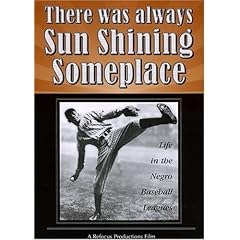
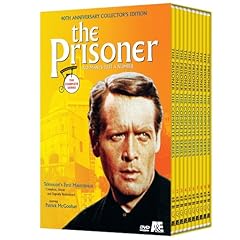
Very few of these films were made after 1980--and those are foreign. On principle, we refuse to kick any business in the way of the reigning Hollywood élite. Yet the older movies are just too good to overlook. Below is a short list reflecting the classic literate qualities of strong characterization and a sense of basic human nature. No gratuitous machine-gunning of establishment goons by social revolutionaries who hope to outlaw guns (after the present job)... just good stuff. We have abstained from imposing any sort of categorization upon the list. Good films are often comic as well as sad as well as generic in some way (war movies, Westerns, etc.). Instead, we have simply appended thumbnail sketches. And by the way... we noticed after finishing the list that nothing on it has received a more minatory rating than PG. We didn't set out specifically to achieve this end: it just so happens that (as Aristotle knew well) good drama doesn't rely upon lurid shock effects. With utterly contemptible self-righteousness, Hollywood continues to blackball Elia Kazan in the most heavy-fisted, Stalinist manner. Perhaps the greatest filmmaker of his generation, Kazan was an expatriate Central European who testified before the McCarthy Committee on Un-American Activities in the conviction that he was protecting his adoptive home from Communist subversion. Whether he was right or wrong, the whole business is half a century old, and only the most priggish, maniacally ideological blockheads would persist in keeping his work unavailable to the public, as the Hollywood establishment has clearly done. New additions are DVD's only. Some of the earlier items are linked first to videos, then to the DVD version (if available). Adam's Rib (1949): We could all list several Tracy/Hepburn comedies, but some have aged better than others; this one is clearly the best. Click here for DVD. After the Fox (Caccia alla Volpe, 1966... don't worry, this version's in English): Vittorio De Sica's take-off on Italians and movie-makers has Peter Sellers (who else?) playing the eponymous Fox, a thief masquerading as a director. Click here for DVD. The Asphalt Jungle (1950): As noir as film noir gets. Sterling Hayden is fully convincing as a not-too-bright but dauntless hood; and when Marilyn makes her first (brief) appearance on the screen as a floozy, your TV sparks. Backlash (1956): A little-known Western with an unusually well-plotted and acted version of the "young man [Richard Widmark] seeking his father" theme. Not to be found at Amazon, which volunteers some R-rated claptrap of the same name. Considering the belated publication of The Frogmen and the persistent suppression of Elia Kazan's Panic in the Streets (starring Widmark), we have speculated that a) Richard must have said something kind about Elia in Tinsel Town, or b) the glitterati are still upset because Widmark's daughter divorced Sandy Koufax. The Ballad of Gregorio Cortez (1983): Filmed in south Texas by a small company for airing on PBS, this gem quickly developed a cult following. Edward James Olmos's dominating performance is no more here than elsewhere a bid for ethnic votes: the message which emerges is profoundly human. Pioneered the "hand-held camera" school of realism. Many actors in bit parts went on to greater (or at least better known) roles. Baseball, a Film by Ken Burns on DVD (1990): A very successful venture into Americana, full of very rare photos and film clips. Sometimes the "enlightened liberal" ethos is a bit thick, as when Burns devotes virtually all of the fifties to Jackie Robinson (ignoring the actual baseball that went on in this Golden Age and also swallowing the canonization of Branch Rickey hook, line, and sinker). A real fan of the game will enjoy the earlier segments more: a real student of history will find nothing new in the later segments. Becket (1964): A little heavy with clichés about the Middle Ages... but then, it's not really meant to be history. The skirmishing between Richard Burton and Peter O'Toole over the concerns of the other world and those of this one are timeless. The Big Sleep (1946): Everyone's seen The Maltese Falcon; here you get all that and Lauren Bacall! Click for Sleep on DVD; for Falcon on DVD. The Black Windmill (1974): Rather rare, for some reason, but Amazon has it for a handsome price. A tense Michael Caine thriller where the stakes, for a change, are a kidnapped little boy; Janet Suzman is, as always, electric. Breaker Morant (1980): Australian-made... and though it concerns an incident in the Boor War, the film is in some ways an epilogue to the Vietnam era of scapegoating men in the field for political ends. Click here for DVD. The Caine Mutiny (1954): Bogart's deranged Captain Queag is flawless: a great movie made from a great novel! Click here for DVD. A Canterbury Tale on DVD (1949): Not a dramatization of Chaucer, although it briefly hearkens back to the Middle Ages in a creative flourish which cannot be explained in a few words. The film could be called, historically, a celebration of the good will which had built up between Brits and Yanks during WW II, in the midst of which momentous event it is set (Chaucer notwithstanding)... but the result is certainly not a war film! Cape Fear (1961): Not the appallingly grotesque Scorcesi remake; Robert Mitchum's villain in this one isn't a psycho--he's just as mean as they come. Click here for DVD. Catholics (1973): Originally made for television, this collision of faith and progressivism off the west coast of Ireland (filmed on location) was one of Trevor Howard's last roles; also stars Martin Sheen and the late Cyril Cusack. Charade (1963): An altogether delightful thriller bordering on spoof... but how could it be otherwise with Audrey Hepburn and Cary Grant (who, among other things, joke subtly about each other's careers on the screen)? Another Blake Edwards/Henry Mancini collaboration. Click here for DVD. Damn the Defiant (1966): One of the great sea epics ever filmed; Dirk Bogarde is the sadistic first mate who vies with a British frigate's captain (Alec Guinness) for control of a delicate mission during the Napoleonic Wars. Click here for DVD. Dark Passage (1947): What would a movie look like from the first-person point of view? Like the first half of this one! Bogart and Bacall are always special together. The Day the Earth Stood Still (1951): Michael Rennie is still the most plausible Martian Hollywood ever produced. The scene where he reveals himself to Patricia Neal in an elevator (after stopping all the world's electricity) is priceless. Click here for DVD. The Day of the Jackal (1973): One of the fastest-paced thrillers of international intrigue ever made; there isn't one otiose frame in this unsentimental, slightly insight-out story of a professional killer's stalking of Charles De Gaulle, which has you almost rooting for him as he is stalked in return. Click here for DVD. Doctor Zhivago (1965): Women tend to prefer it over men... maybe more men should watch it just to understand women better. Click here for DVD. Far From the Madding Crowd (1967): Richly pastoral scenes tastefully understated; Alan Bates and Julie Christie are entirely convincing as Thomas Hardy rustics. The Forsyte Saga on DVD (1969): Based on the Victorian novels by John Galsworthy, this BBC series predated Masterpiece Theatre, and was probably its inspiration. The casting was perfectly flawless: no one who had seen the series could read the books and picture the characters as other than they had appeared on television. The recent BBC attempt to re-make this evolving tragedy of London's stuffy haute bourgeoisie was dismal by any standard, but an outrage beside the original serial. The Frogmen on DVD (1951): The only World War II flick about divers: original and well done. Richard Widmark's character has the kind of "bad-guy hero" edge which he had mastered as well as any actor of his generation. The Ghost and Mrs. Muir (1947): Perfect casting contributes to the delights of this highly nostalgic (more all the time) comedy, where a young widow (Gene Tierney) becomes a famous author by transcribing adventures dictated to her by a deceased seadog (Rex Harrison). Click here for DVD. The Gods Must Be Crazy (1981): By now, everyone has heard of this South African release about the little bushman who sets out, through a nest of terrorist activity, to throw a wicked Coke bottle off the edge of the earth... and succeeds! Click here for DVD. Harvey (1950): Everyone should have a six-foot rabbit to talk to when the world goes insane; what's so crazy about that? Click here for DVD. The Haunting (1963): The only question is, will you ever watch this one a second time? No scarier movie was ever made: despite the date, Robert Wise had the genius to film it in black-and-white and to leave infinitely more to the imagination than the miserable, dumbed- down remake does. Click here for DVD. High Noon (1952): Certainly one of the most famous Westerns ever filmed, High Noon projects a conservative mistrust of human nature and whimsical pacifism in favor of rugged individualism. (Contrast with the 1953 film Shane (in DVD), which clings to a more liberal good guy/bad guy view of reality.) Be sure to follow this link to Gary Cooper and avoid the re-make: the newer version's effects are superior--but Cooper himself proved to be irreplicable. Click here for DVD. I'm All Right, Jack on DVD (1959): An inimitable classic about a lovable young fop who--on his first day at a "real job"--runs the fork lift so effectively (on the management stopwatch) that the union goes out on strike! Peter Sellers as a union leader smitten with his own importance almost steals the show away from Ian Carmichael--but the naive aristocrat's blistering indictment of all political interests on Malcolm Muggeridge's show is one of the finest moments of righteous ecstasy in cinema. In a Lonely Place (1950): An odd and late Bogart film, where the character's shadowy reputation is both true and untrue. Deliberately and effectively unsettling. It Happens Every Spring (1949): Naive and far-fetched it is and always will be--but still the greatest baseball comedy ever. Train stations and boisterous fans replace the contemporary flick's backdrop of nymphomaniac groupies... is that naive, or just wholesome? The Last Hunt (1956): A virtually forgotten Western which deserves rediscovery; buffalo hunting turns Robert Taylor's character into a human predator. Great ending. Laura (1944): A hardboiled black-and-white whodunnit is an odd place to find a romantic obsession... which is why, of course, this film is special. Click here for DVD. Lawrence of Arabia (1962): In many respects, the greatest film ever made; David Lean's masterpiece instantly catapulted Peter O'Toole into international fame. Click here for DVD. Life With Father (1947): William Powell (The Thin Man) reminds the Age of Single-Parent Households that a father who didn't know best could still be lovable and inspiring. Click here for DVD. The Luck of the Irish (1948): This pot of gold is infinitely less mawkish than John Ford's The Quiet Man (in DVD). Tyrone Power and Anne Baxter are vastly less clichéed in their Yank-meets-colleen dynamic than the Duke and Maureen O'Sullivan. The choice between a life of power, fame, and wealth and one of blissful, virtuous obscurity is also more credibly posed by the former film than the latter, making QM (despite its absence of leprechauns) less morally astute and "real". Now what amadán is responsible for leaving Luck unavailable? Maybe you'll have more luck with this link than we have. Lucky Jim on DVD (1957): Based upon a novel by Kingsley Amis, this send-up of an Oxford don's life is still bang-on when it comes to dissecting the servile fawning required for academic advancement. Ian Carmichael's character is easy to root for: the whole cast, indeed, is flawlessly selected. Man of the West (1958): Few Westerns--even of Anthony Mann's--project a darker view of human nature. Gary Cooper and a sultry Julie London find themselves among a gang of dim-witted cutthroats ruled by a psychopath; right prevails, but just barely. The Manchurian Candidate (1962): The Kennedy assassination forestalled this brilliant film's release; a grim Cold War tale of brainwashing and assassination, yet also--paradoxically--of triumphant will power. Click here for DVD. My Man Godfrey (1936): William Powell always seems like the butler who out-gentlemans his gentleman in his various roles; this time he actually plays that very role--except that his gent is a lady (or Carole Lombard, anyway). Click here for DVD. The Naked Jungle (1954): Marabunta! If that word doesn't pop into your head after this movie every time you see an ant... well, then you probably yawned through Hitchcock's The Birds.(in DVD). Nicholas and Alexandra (1971): A nice companion-piece--or twin gravestone--with Dr. Zhivago. Not for watching when you're depressed... but the performances by Jayston and Suzman are worth the trip downward. Click here for DVD. The Night of the Hunter (1955): Charles Laughton's off-beat parable of good and evil in the Depression-era South lets Robert Mitchum pull out all the stops as a serial-killer evangelist. Click here for DVD. No Highway in the Sky (1951): James Stewart is perfect as the mathematical genius suddenly faced with a practical imperative to keep a plane from flying. Something in all of us, no doubt, wants to pull that lever, retract that landing gear, and ground that bird until she's properly checked out. Objective Burma on DVD (1945): Directed by Raoul Walsh, our staff rates this as the second-best action-movie ever made--after The Sea Hawk. Both films star Errol Flynn (who would have to be, one supposes, the best action-movie actor ever employed). Out of the Past (1947): Few samples of film noir convey a stronger sense of doom behind a more suspenseful veil of action; perhaps Asphalt Jungle (see above). Panic in the Streets (1950): The Plague breaks out in New Orleans! Like all of Elia Kazan's work, virtually ignored by the Hollywood glitterati--yet a masterpiece of suspense and characterization. The page for this video may or may not open: the last time we tried it at Amazon, we got bumped off-line! An immigrant from Eastern Europe, director Elia Kazan agreed to testify at the McCarthy hearings in the firm (whether or not mistaken) conviction that he was thereby serving the cause of freedom. The proposition that no substance lay behind McCarthy's fears of communist infiltration is now part of our national lore. In fact, the years have revealed that Alger Hiss was indeed guilty and that delicate information was being snitched by communist agents of at all levels of American public life. But lore trumps fact. It is clear that Hollywood will never "forgive" Kazan or honor his memory. Too many influential people had to go out and find real jobs when their shady recreations were divulged. The President's Lady (1953): Every time we think of a sentimental classic like this fairly accurate chronicle of Andy Jackson's strained but devoted marriage to a beautiful divorcée, we find that Hollywood hasn't had the taste to produce it on video or DVD. Charlton Heston and Susan Hayward are a perfect match here. Catch it on the Late Show if you can. The Prisoner on DVD (1968): Television's finest hour. American audiences didn't quite know what to make of this BBC import. They were familiar with Patrick McGoohan from that most realistic and hard-nosed of spy series, Secret Agent--but this Cold War allegory of a covert operative shanghaied to a sinister utopia where everyone is given a number and paternalistically "cared for" by an intrusive technocracy was altogether too unsettling. Is The Village a communist regime, or a Western "nanny state"? Which side do its handlers represent? Number Six doesn't know, either! Rachel and the Stranger (1948): Delightfully unique! A frontier adventure with some exquisite laughs and a poignant love story would just about have to enlist Loretta Young in order to keep Holden and Mitchum civil and wholesome. The Red Balloon/White Mane (1952): If you're at all sentimental, you'll shed a tear... and if you're at all intellectual, you'll marvel at how such a sober view of human nature and the limits of life can be worked into a children's fable. The music will never leave you, either: buy it for your child, or buy it for yourself. Ride the High Country (1962): An aging Joel McCrea and an aging Randolph Scott play (appropriately) two aging lawmen who decide to end their days on different sides of the law; vintage Sam Peckinpah before the gory debauch of The Wild Bunch (in DVD). Run Silent, Run Deep (1958): The preeminent submarine drama, with Clark Gable and Burt Lancaster showing the numerous cracks of being under heavy pressure. Click here for DVD. Russian Ark on DVD (2002): Directed by Alexander Sukorov, this film is unique among our recommendations in being so recent. In the words of a trusted colleague, there is no describing Russian Ark except to say that it encapsulates everything that went wrong in the 20th Century while itself representing everything opposite to what went wrong.. Filmed in a single 90-minute scene which manages to revisit the horrors of the Soviet Union down the corridors of a former imperial palace... but no, it can't be described! Secret Agent on DVD (1965): No, this isn't a dramatization of Joseph Conrad's novel--but the writing is entirely worthy of a literate viewership. Star Patrick McGoohan vaulted to international fame as a covert operative for British intelligence who didn't pack a gun and didn't dispense any kisses, but instead engaged in the sort of posing, bribing, and purloining to which real spies are accustomed. The Sea Hawk on DVD (1940): Directed by Michael Curtiz and starring Errol Flynn, this black-and-white gem is considered by many the best action-movie ever made. A sequel, one might say, to Captain Blood (which had originally elevated Flynn to Prince of Swashbuckle), the later film perhaps gives fans of the genre more of what they come for. Term of Trial (1962): Another very provocative, well-acted, and now quite timely film which is absolutely unobtainable. Sir Lawrence Olivier plays a pacifist schoolteacher whose friends and colleagues are all too willing to believe an infatuated student's false charges of molestation. That Man from Rio (1964): Amazon claims this version is subtitled in English... hmm. Unless your French is au pair, maybe you'd just better record it off the late show. Jean-Paul Belmondo's globetrotting nuttiness is too consuming to allow frequent squints at the screen's bottom. Them (1954): A sci-fi classic about... well, ants. Not the Brazilian man-eating variety of The Naked Jungle, but REALLY BIG mutant ants created by nuclear testing. The special effects will probably elicit several unintended guffaws, but the concatenation of events remains convincing and scary. There Was Always Sun Shining Someplace (2003): First produced in the early nineties, this documentary--one of the finest ever made in the nostalgic yet highly informative vein--was able to include interviews with Negro League stars like Satchel Paige, Cool Papa Bell, and Buck Leonard shortly before they were promoted to Heaven's league. Not drenched in social outrage like so many retrospectives on black baseball, the film focuses on the solid facts of a Negro Leaguer's day-to-day existence. James Earl Jones narrates. This Gun for Hire (1942): Alan Ladd is chilling as a hard-bitten hit-man (his first big role), though his discovery of something worth dying for will persuade few of our jaded generation. The 3:10 to Yuma (1957): Glenn Ford's outlaw and Van Heflin's sodbuster meet in a strange moral parity as the solid citizens sneak off to save their own skin: a reprise of the High Noon theme with a less heavy hand. Also an unforgettable tune by Frankie "Rawhide" Lane. Tiger Bay (1959): Very different--a realist urban tale hiding an attractive idealism. Name another film where a murderer takes an orphan girl under his wing! Click here for DVD. Things to Come on DVD (1936): Written by H. G. Wells and directed by William Cameron Menzies, this film drew a very strong recommendation from our staff. A stunningly ambitious attempt to glimpse the future of Western civilization, the film traces the rest of the twentieth century in terms which are at once progressive and "dystopic". Tunes of Glory (1960): An exquisite and classic clash of wills takes place in the Scots Highlands when an "outsider" (still traumatized by his years as a POW) is appointed to command a wild bunch of "gillies" who regard his Englishness as suspect. Alec Guinness and John Mills show why they were both eventually knighted for their talents. The Train (1965): A Nazi connoisseur and the French Underground wage a private war over a trainload of classic paintings. Click here for DVD. The Unforgiven (1960): PC reviewers bristle at the raw racism. As usual, they're too dense to recognize that directors John Huston stresses white-and-Indian hatred because he finally bridges it--through the ambiguous dark beauty of Audrey Hepburn. Vera Cruz (1954): An early example of Robert Aldrich's gritty style, with Burt Lancaster and Gary Cooper over a decade ahead of Clint Eastwood's hardened drifter. Click here for DVD. Wild River (1951): Another classic from the genius of Elia Kazan, this one about the Tennessee Valley Authority's "persuading" an old woman to move off her island before the new dam floods it. Lee Remick never did anything better. Most suspiciously, this film is not available. How far does Hollywood hypocrisy intend to persecute an immigrant who dared to testify before the McCarthy committee because he considered it his duty? Zulu (1964): If this last-ditch defense of Rourke's Drift doesn't get your adrenaline flowing, check your pulse. Also a "must" for Welsh nationalists! Click here for DVD. You would think that the Hollywood élite had never sent anyone into exile itself! What producer, for instance, would rally around Tippy Hedrin when she refused to place her career abjectly at the disposal of Alfred Hitchcock? "You'll never work again in this town"... those words were not first uttered by Joe McCarthy! As recently as the presidential campaign of 2000, young actors and writers declined to go public in support of George Bush lest their professional future be ruined. What champions of free speech! Some sepulchers are only whited: these have tinsel. The Center for Literate Values Foreign Language Books Praesidium, A Journal of Literate and Literary Analysis More About Us |